Why did you decide to go on Erasmus to JIBU?
I decided to go on an Erasmus+ study stay to České Budějovice after a previous short-term 11‑day BIP mobility – a Blended Intensive Programme in the Portuguese city of Tomar. This experience brought me new knowledge and friendships that have lasted to this day.
I chose JIBU primarily because of the course Archaeobotany, which I considered highly relevant for my future specialization. During the semester, I also realized that it is a very complex discipline that requires long‑term study, as one semester provides only a basic introduction to the topic rather than full mastery.
How did you choose the university and the courses?
At JIBU, I selected courses that I considered important for my future professional focus. The study plan at JIBU differed significantly from that of my home university, which I still had to complete in parallel — during the stay, I simultaneously attended classes at two universities: in person in České Budějovice and online at my home university.
The most demanding period was the exam session, when exam dates often overlapped, and I had to complete assessments at both institutions. Despite the organizational difficulties, I managed to fulfil all my obligations successfully.
How would you describe the university and its environment?
JIBU is in a large university campus on the outskirts of České Budějovice. Each faculty has its own building. The Faculty of Arts is housed in a modern glass building situated opposite the central university library. Access to all buildings is secured by an electronic card system.
Almost every university building had a ground‑floor café where staff served students with a smile even in the early morning hours. Behind it was a reception desk where you could always get helpful advice — something especially useful during your first days. The Archaeology Department was located on the ground floor of the Faculty of Arts, and entry to classrooms and laboratories used the same chip system as the main entrance.
The campus also includes a modern library offering many study spaces, computer rooms, and relaxation zones. The library provides an extensive collection, a self‑service loan system, and reservable rooms for individual or group study. Various cafés and snack bars located across the campus contributed to a pleasant study atmosphere — I spent most of my free time between lectures in these spaces.

How did you find accommodation?
Accommodation was provided by the university through its dormitory system. There are four dormitories in the campus — K1, K2, K3, and K4 — located 5–10 minutes on foot from the university buildings. Students could reserve a specific dormitory and room type online based on availability.
I lived in the K5 dormitory, which is located outside the main campus, about 20–25 minutes on foot. The dormitory had been modernly renovated and used the same chip‑entry system as the university. It included shared kitchens and a laundry room. At the entrance, students had to present a so‑called “yellow dorm pass.” I lived on the first floor in a shared room with a private bathroom together with two other roommates.
Grant amount and cost of living – was it enough?
The Erasmus+ grant covered accommodation and basic expenses such as food, hygiene products, and travel home. Other costs — for example, exploring South Bohemia or visiting nearby Prague — I covered from personal savings and family support. From my perspective, the grant encourages students to manage their finances carefully and efficiently.
What did an ordinary student day look like?
Classes usually took place three times a week. Lectures and seminars were held at the Faculty of Arts in designated rooms, classrooms, laboratories, or PC rooms. Archaeobotany was taught in specialized laboratories located in the Paleoenvironmental Building, about a 15‑minute walk from the main campus. This building used a different chip‑entry system, so we always had to wait for the instructor to let us into the classrooms and labs.
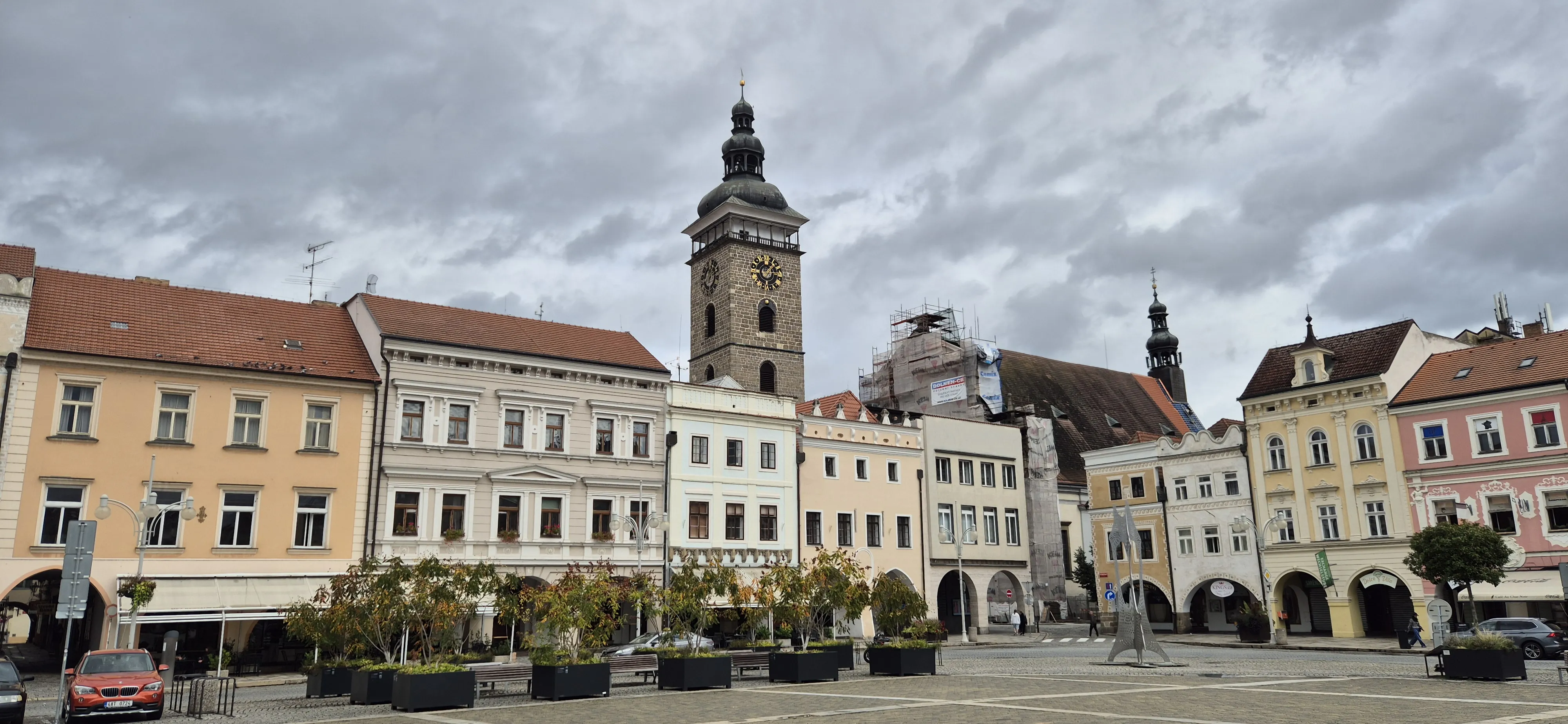
I spent my free time walking through the beautiful historical city center, meeting classmates, and traveling around the region. I also met up with friends studying in other Czech cities and explored South Bohemia and the surroundings of České Budějovice.
What challenges did you face, and what surprised you the most (positively or negatively)?
The biggest challenge for me was coordinating the study duties of both the host and home university. Attending classes in person at JIBU while simultaneously following online courses at my home university required excellent time management. The exam period was especially demanding because exam dates often overlapped. I consider this — along with the distance of the K5 dormitory from the campus — the biggest drawback.
Despite these challenges, I gained valuable experience in time management and independence.
A major positive aspect was the high academic quality of teaching, the “Western‑style” academic approach, and the excellent technical equipment of the university. The modern facilities — library, laboratories, and study rooms — as well as the supportive attitude of teachers and administrative staff made it easy to integrate into the community and build new connections, which greatly contributed to the overall positive experience.
What administrative tasks did you have to handle during your stay?
The most important task was obtaining the student card, which granted access to university buildings and services. The process included filling out an online form, uploading a photo, and picking up the card in person at the card center near the campus. The card was ready in about three days, meaning that by the second week of the semester I could access university buildings independently.
Upon arrival at the dormitory, it was necessary to sign a housing contract and obtain the dorm pass. The whole procedure took about 10 minutes. Dormitory fees were paid directly at the reception via payment terminal. Before the semester started, a refundable deposit had to be paid; it was fully returned at the end of the stay when handing over the room.
Would you give any tips to future students?
Future Erasmus+ participants should carefully compare the compatibility of the study plans at their home and host universities to avoid complications during the semester and exam period. It is also practical to choose accommodation as close to the faculty or campus as possible, which greatly simplifies daily commuting.
For countries with a different currency, I recommend downloading a currency‑converter app to track daily spending. And immediately after arrival, it is useful to purchase a public transport pass (“električenka”), which makes moving around the city much easier.
Most importantly, make the most of your stay — not only academically but also by discovering a new academic environment, culture, and building meaningful connections, which are among the most valuable aspects of the Erasmus+ experience.
