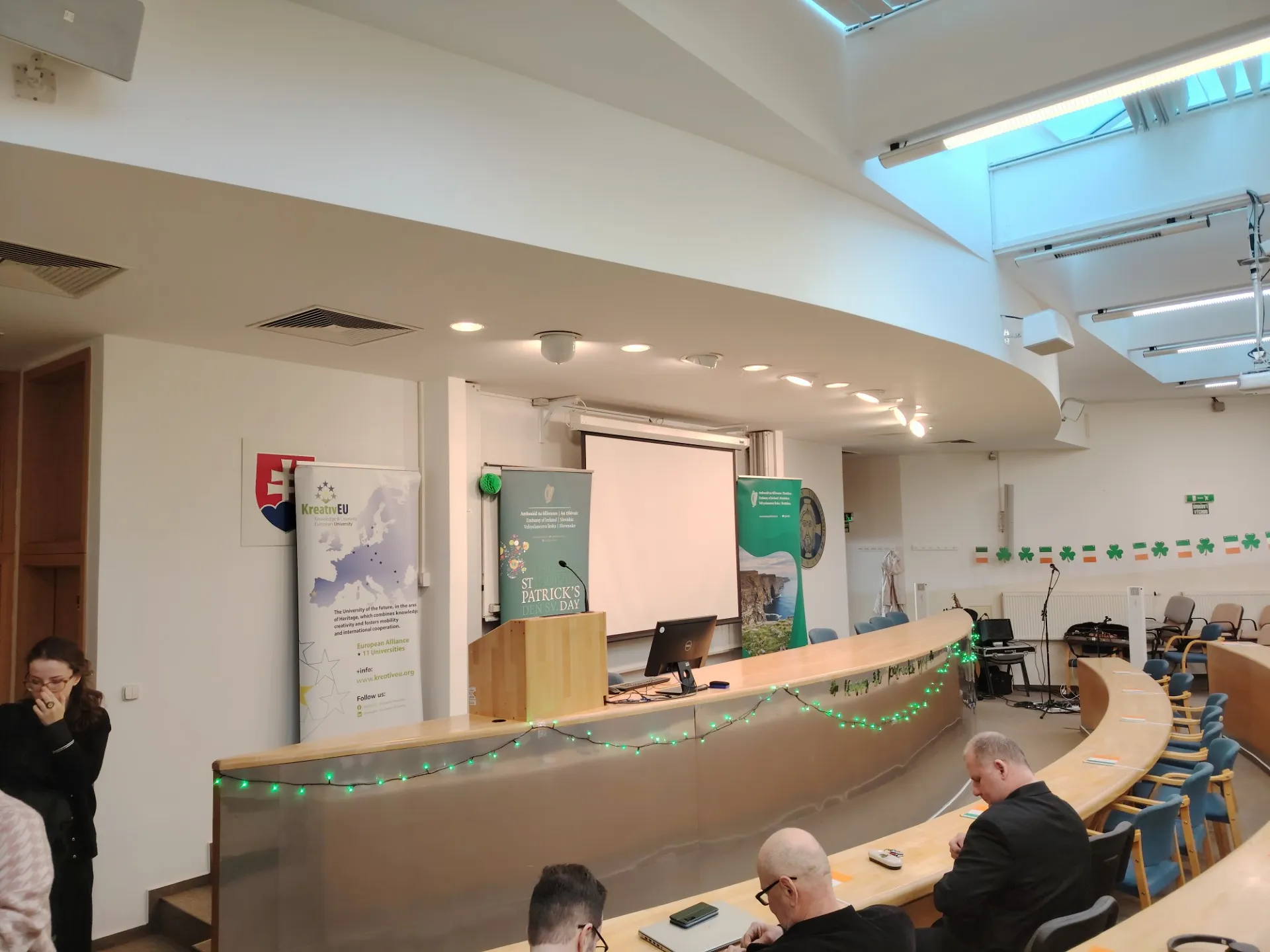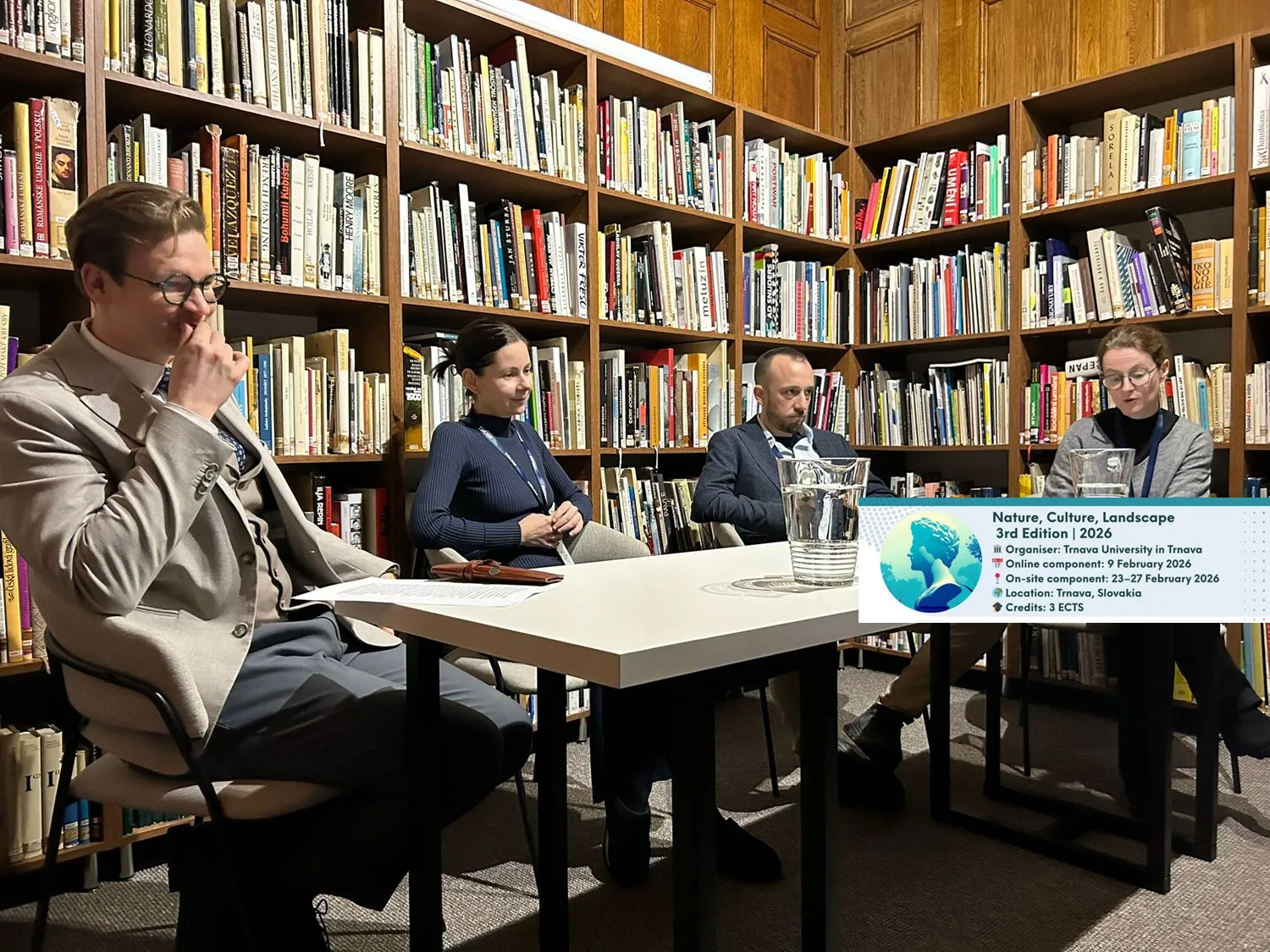
In February 2026, Trnava University in Trnava hosted the third edition of the international Erasmus+ Blended Intensive Programme (BIP) Nature, Culture, Landscape. The programme brought together 35 participants (students and teachers) and confirmed that short-term “blended” mobility can foster intensive exchange of experiences across various disciplines.
The Faculty of Arts at Trnava University successfully implemented the 3rd edition of the Erasmus+ Blended Intensive Programme (BIP) Nature, Culture, Landscape. The programme was prepared by the Department of Classical Archaeology and the Department of Philosophy, in cooperation with the Office for External Relations and Cooperation. A BIP (Blended Intensive Programme) is an Erasmus+ format that combines virtual collaboration with short intensive physical mobility. In practice, it enables a broader spectrum of students and staff to join an international “course,” strengthens networking, and allows participants to work in smaller, highly focused groups.
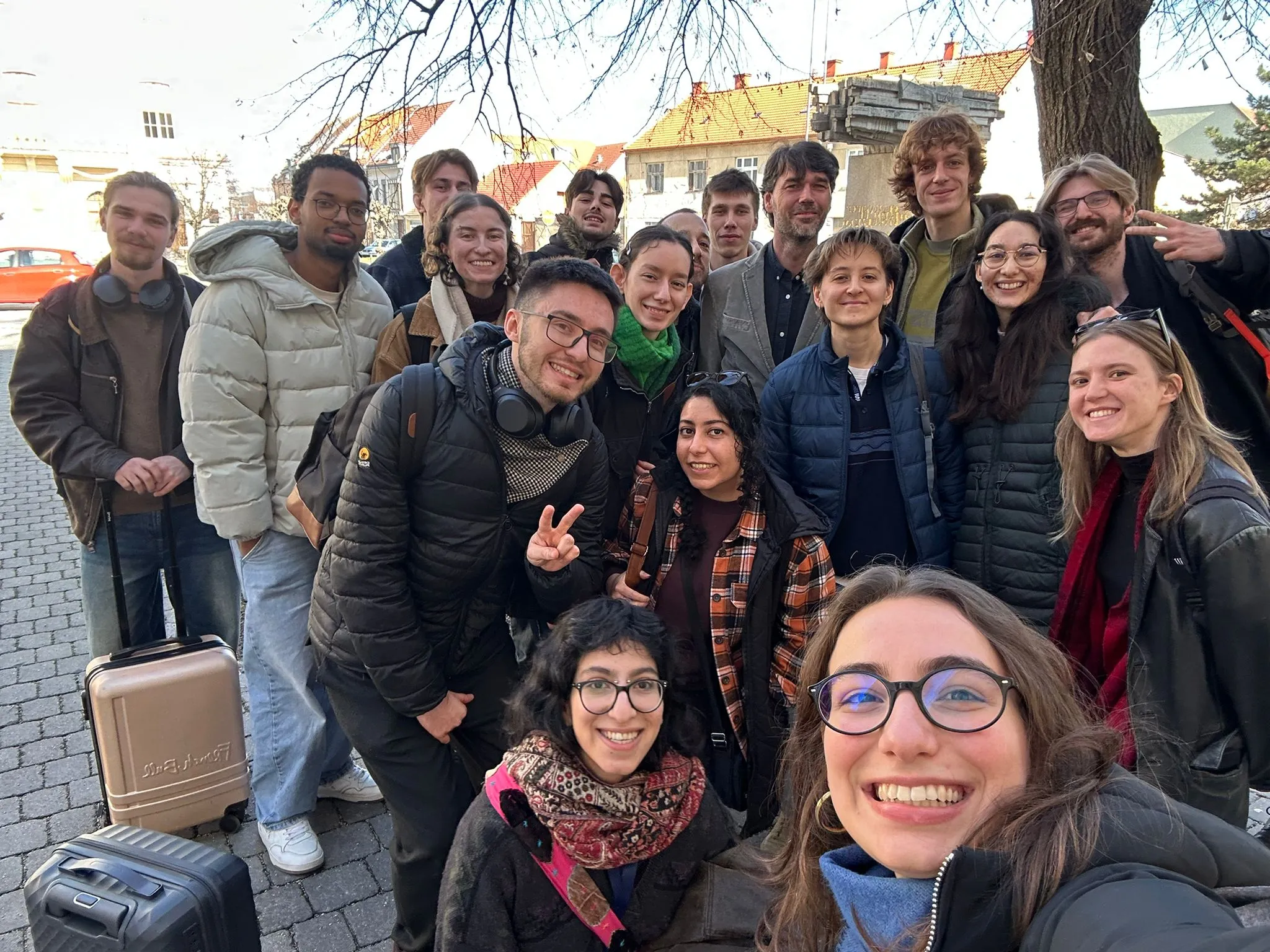
For Nature, Culture, Landscape, the online component consisted of two expert lectures on 11 and 18 February 2026, while the physical part took place in Trnava from 23 to 27 February 2026.
The programme was prepared by Trnava University in cooperation with partner institutions: the University of Turin (Italy), Jan Evangelista Purkyně University in Ústí nad Labem (Czech Republic), the University of Hradec Králové (Czech Republic), Babeș-Bolyai University in Cluj-Napoca (Romania), and Palacký University in Olomouc (Czech Republic). The event also supported cooperation within the university alliance KreativEU, represented in this project by the Polytechnic University of Tomar (Portugal).
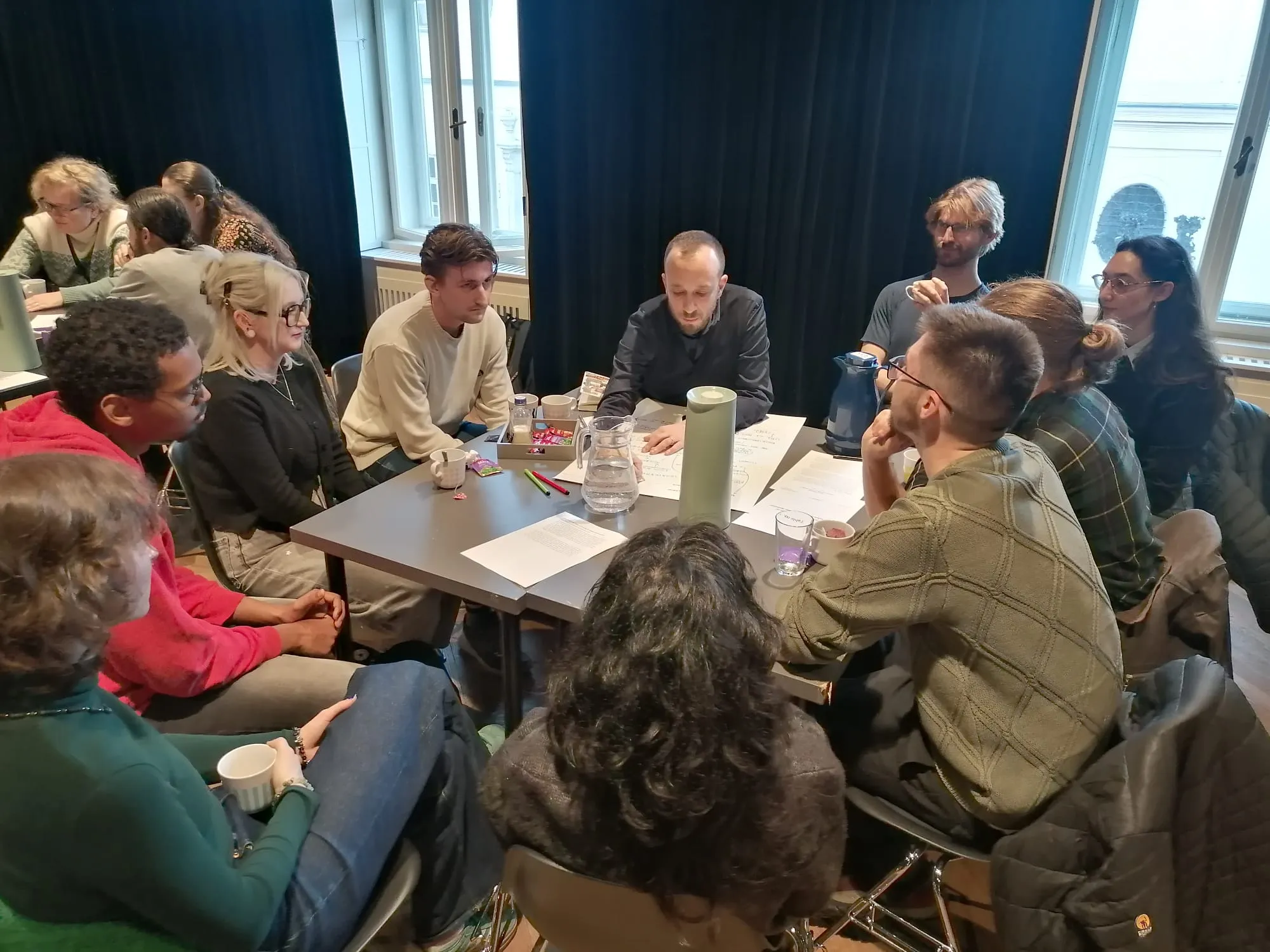
The third edition focused on the intersections of environmental humanities, philosophy (particularly the phenomenology of place), and cultural heritage research. Lectures and panel discussions were led by scholars in phenomenology (Jan Halák, Paolo Furia, Ion Copoeru, Radu Mârza, Matěj Pudil, Jaroslava Vydrová, Michal Zvarík), as well as experts in archaeology and history (Lucia Nováková, Henrieta Žažová, Zuzana Jarůšková) and art history (Adrián Kobetič). Innovative forms of teaching and collaboration also played an important role — in addition to panels and workshops, the programme included a World Café format, which naturally connects diverse perspectives, experiences, and academic cultures.
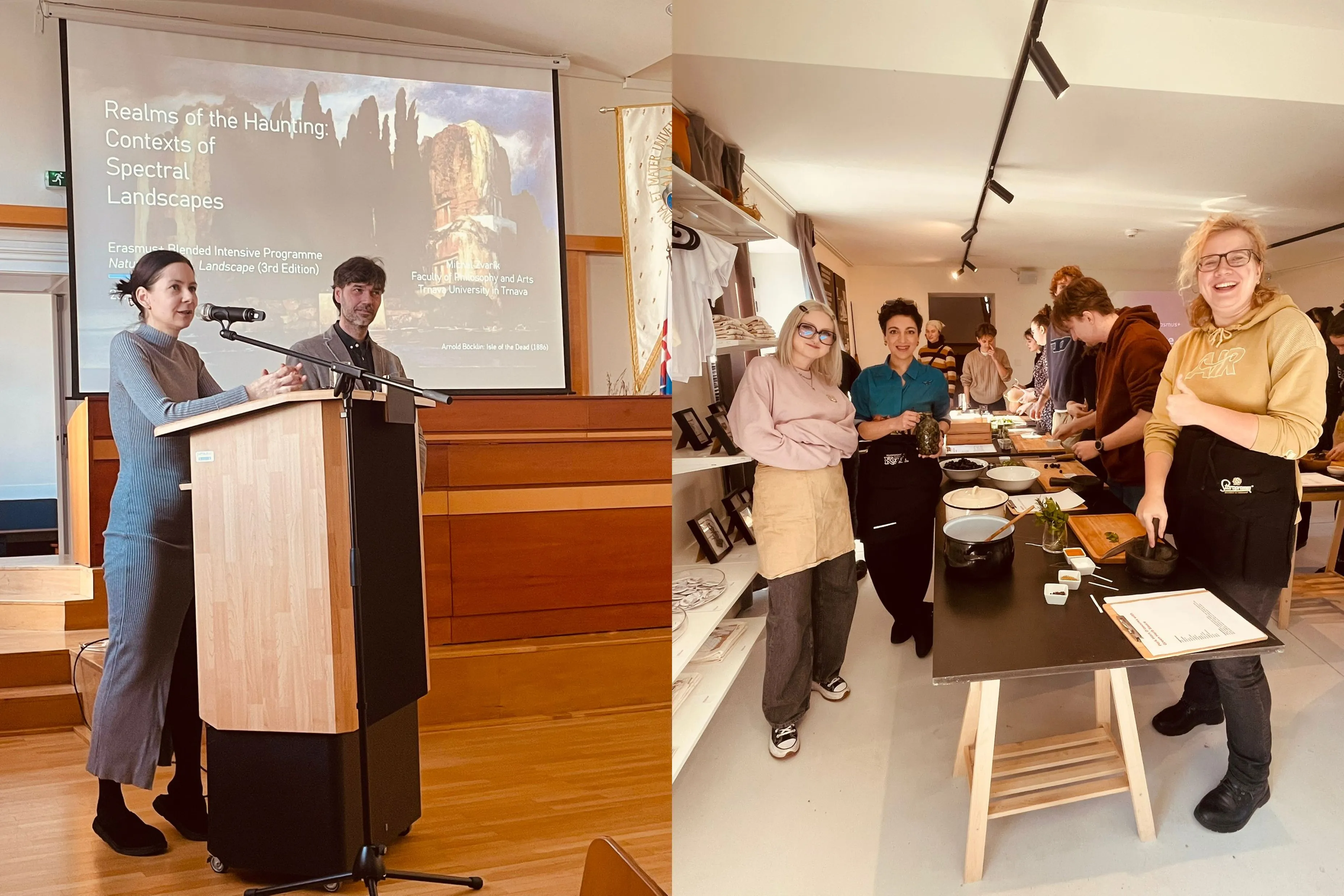
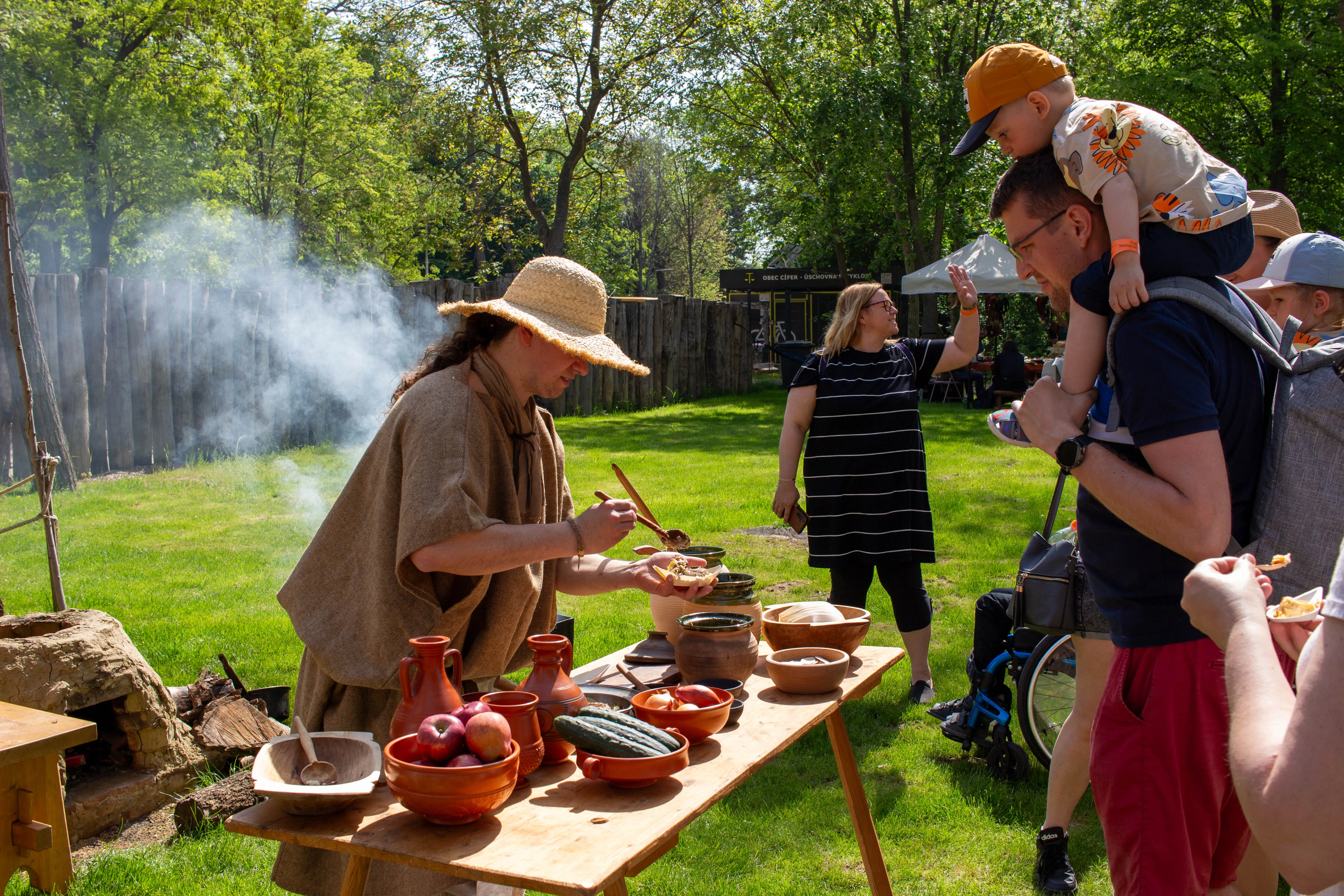
The on-site week in Trnava was designed to help participants discover both the university and the city within a broader cultural and institutional context. The programme took place in several locations (university premises, gallery and museum, cultural centre, archaeological site Cífer-Pác), supporting interdisciplinary discussions and “site-based” learning directly in the environments discussed.
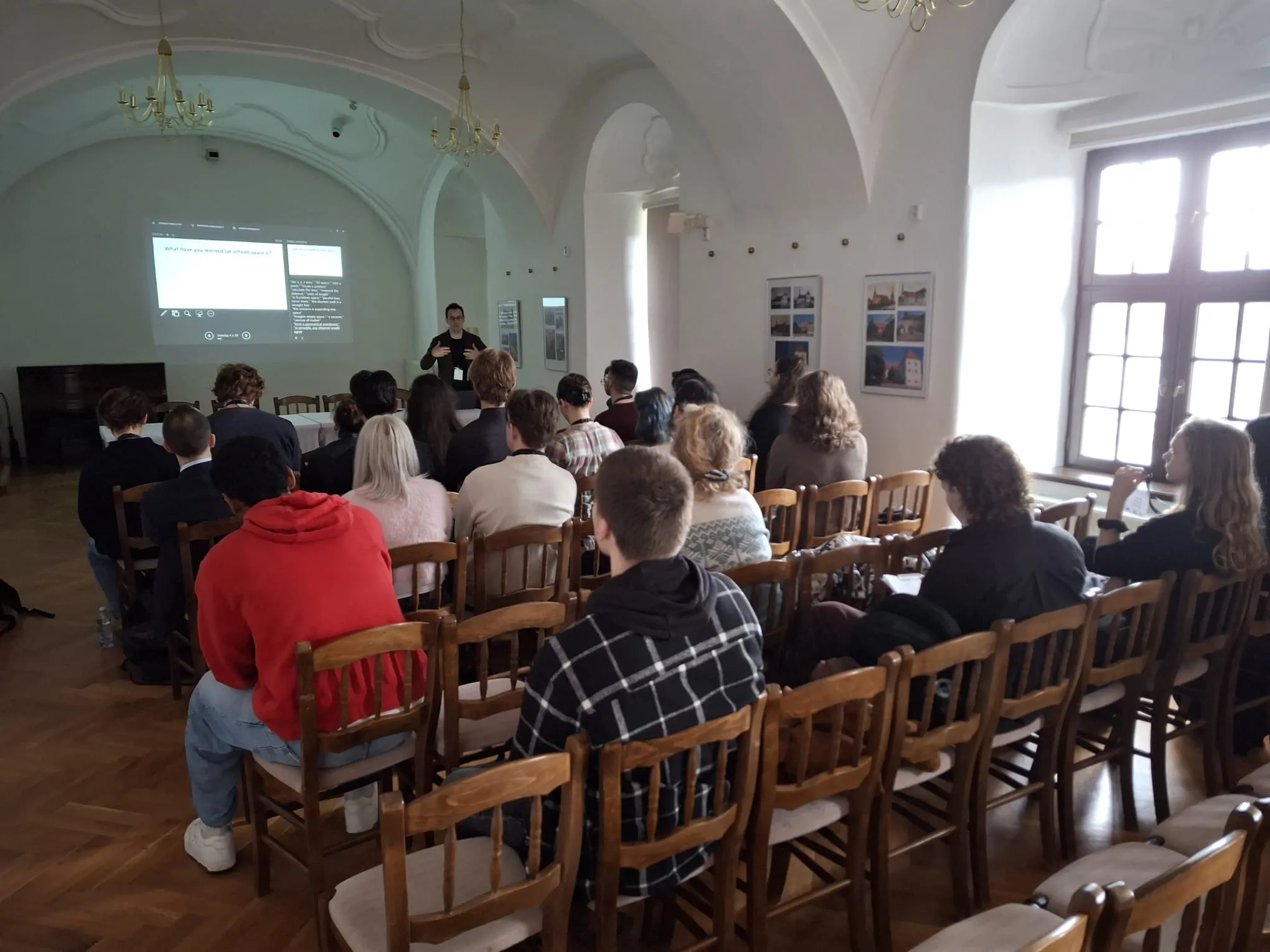
The third edition of Nature, Culture, Landscape reaffirmed that internationalisation is not only about mobility itself, but above all about high-quality shared content, personal connections, and partnership-based cooperation — the kind that can continue even after the programme concludes, in further exchanges, joint activities, or research collaborations.
-responsive.webp)