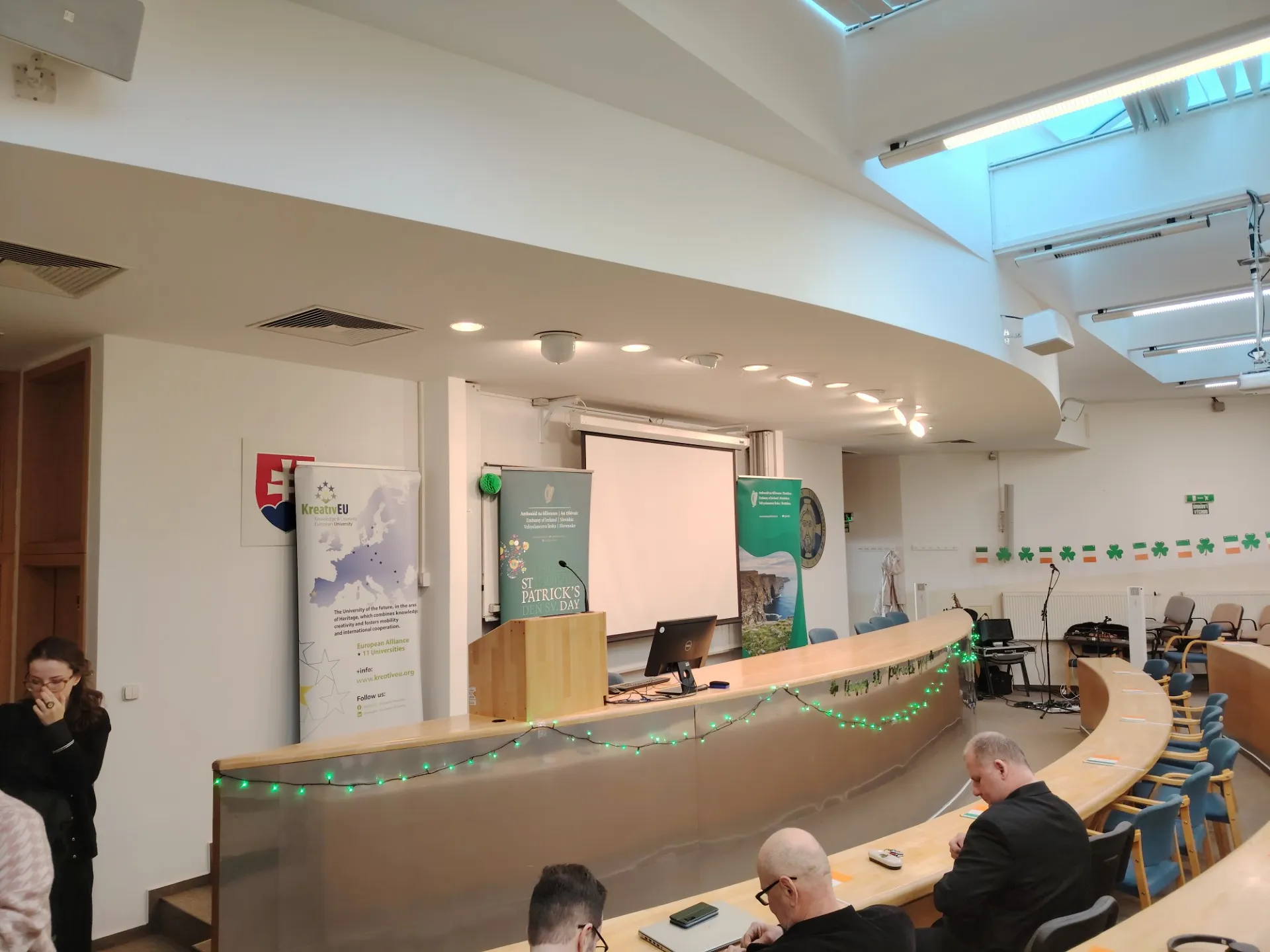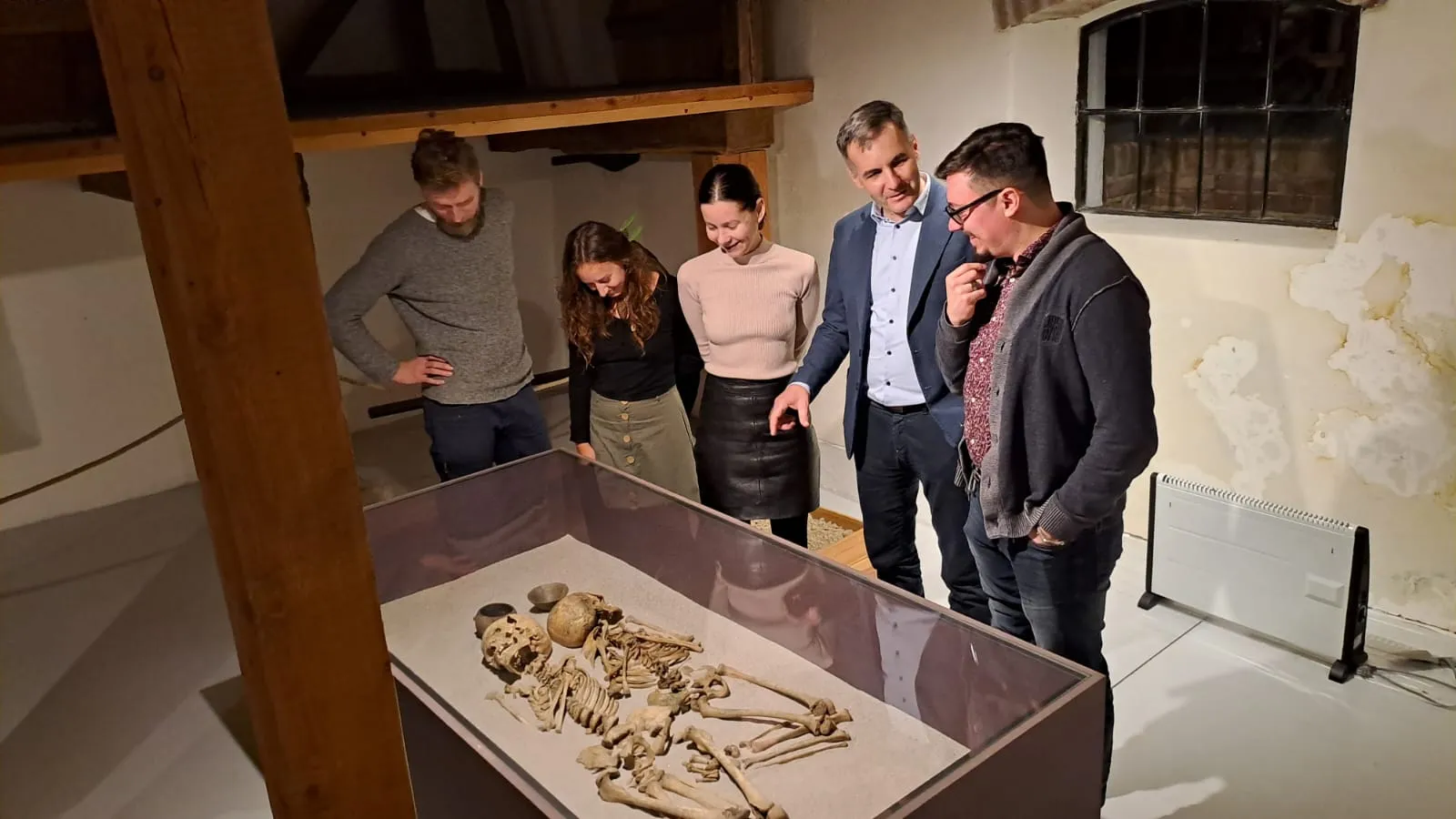
Trnava University in Trnava launched the Slovak stakeholder activities of the Erasmus+ project HERITAGE GAME with two meetings held on 15 December 2025 and 18 December 2025.
The meetings brought together representatives of the university and local heritage partners to discuss how community involvement and gamification can support the interpretation and presentation of cultural heritage. In the Slovak context, a key role is played by Archaeopark Cífer-Pác, which provides an inspiring environment for connecting research, education, and public engagement. The Archaeopark was represented by the Mayor of Cífer, Ing. Maroš Sagan, PhD., and its manager, Mgr. art. Daniel Dida. The meetings were also attended by professional staff members from the West Slovak Museum in Trnava.
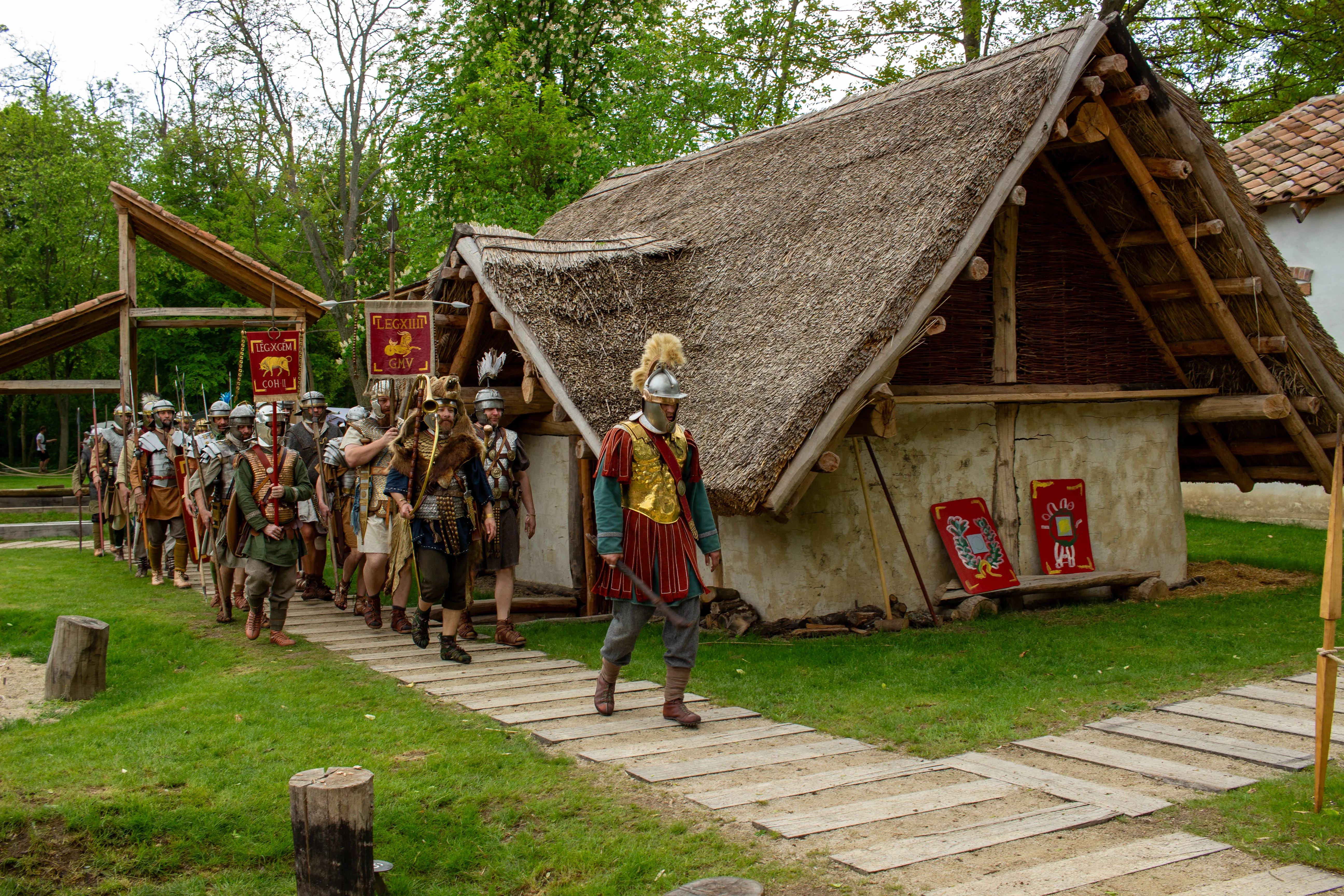
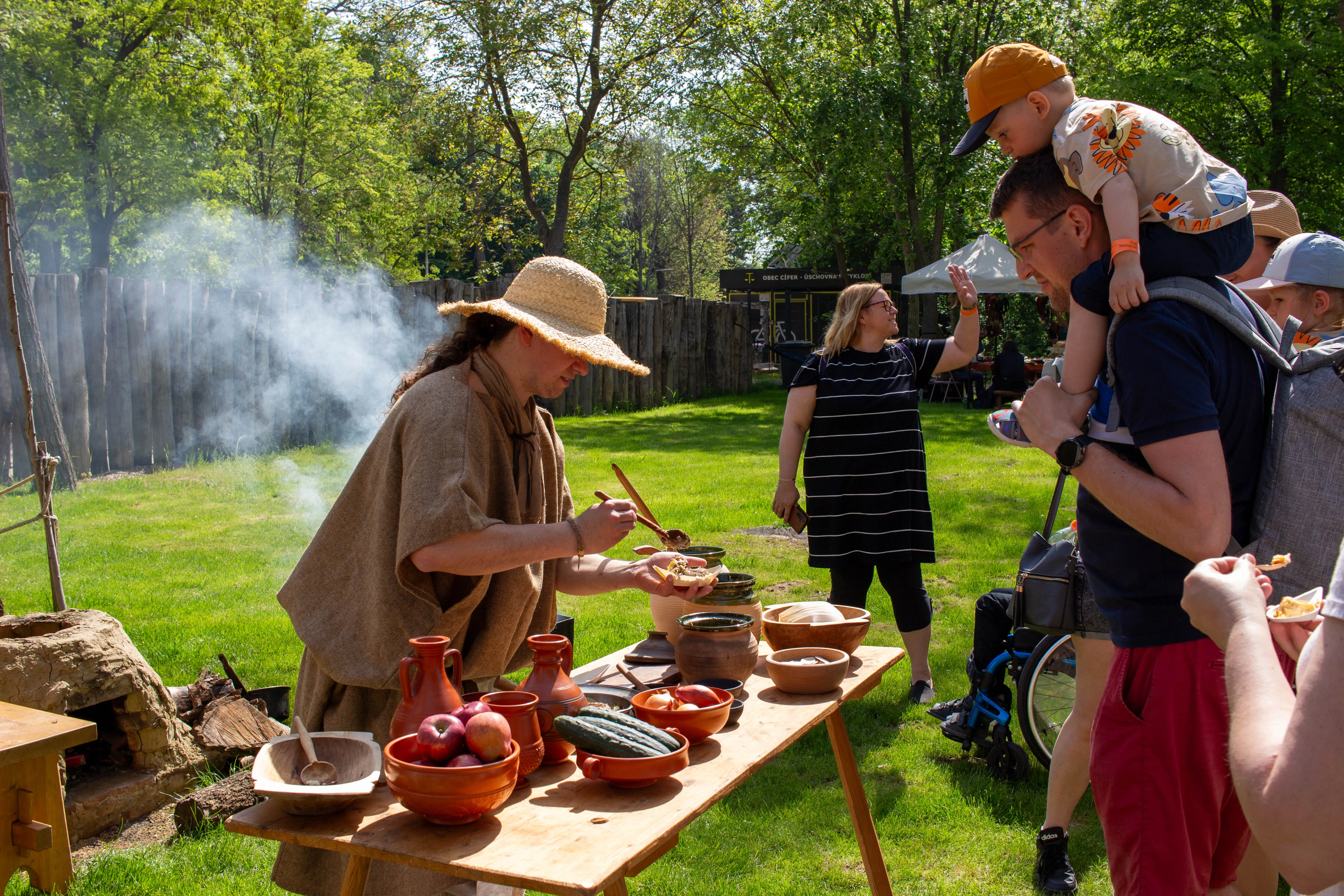
As an archaeological site with strong educational potential, Archaeopark Cífer-Pác offers an excellent setting for exploring new ways of communicating heritage to wider audiences. Its combination of archaeological research, reconstructed architecture, and public outreach makes it particularly relevant for discussions on innovative and experience-based heritage interpretation.
The December meetings focused on the local context, the potential for cooperation with stakeholders, and possible ways of involving communities more actively in heritage-related activities. Participants also discussed how game-based approaches could help make heritage more accessible, engaging, and meaningful for different groups of visitors.
The meetings marked an important first step in building closer cooperation between the academic environment and local heritage actors. At the same time, they opened a broader conversation about how archaeology and cultural heritage can be communicated in ways that are participatory, creative, and relevant to contemporary audiences.
These activities form part of the wider international HERITAGE GAME project (No. 2023-1-PT01-KA220-HED-000154261, “A Gamification Model for Community-Based Heritage Work”), in which Trnava University in Trnava is one of the partner institutions. In Slovakia, the meetings created a solid basis for the next stages of collaboration and for the further involvement of stakeholders in project activities.


-responsive.webp)