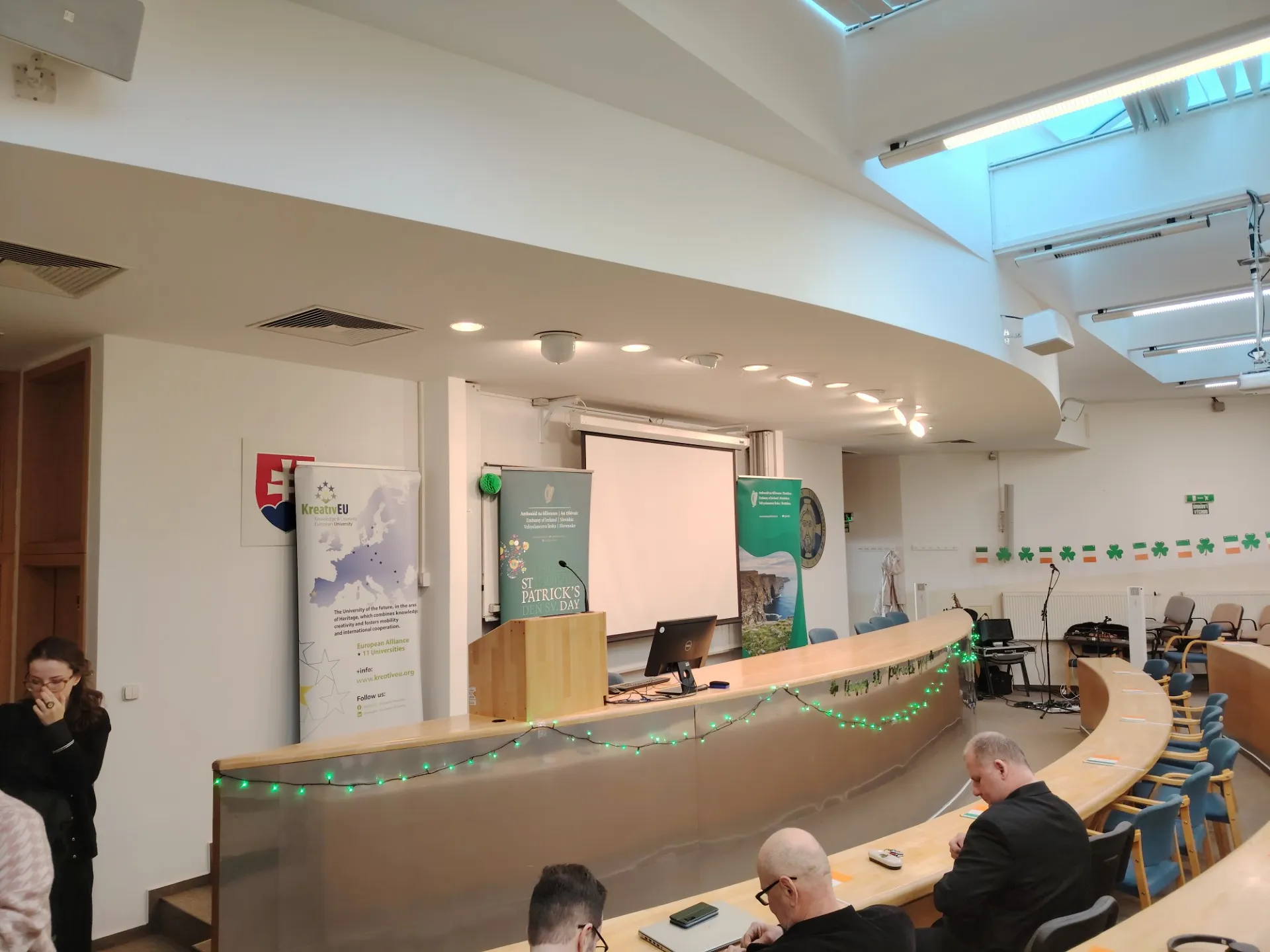
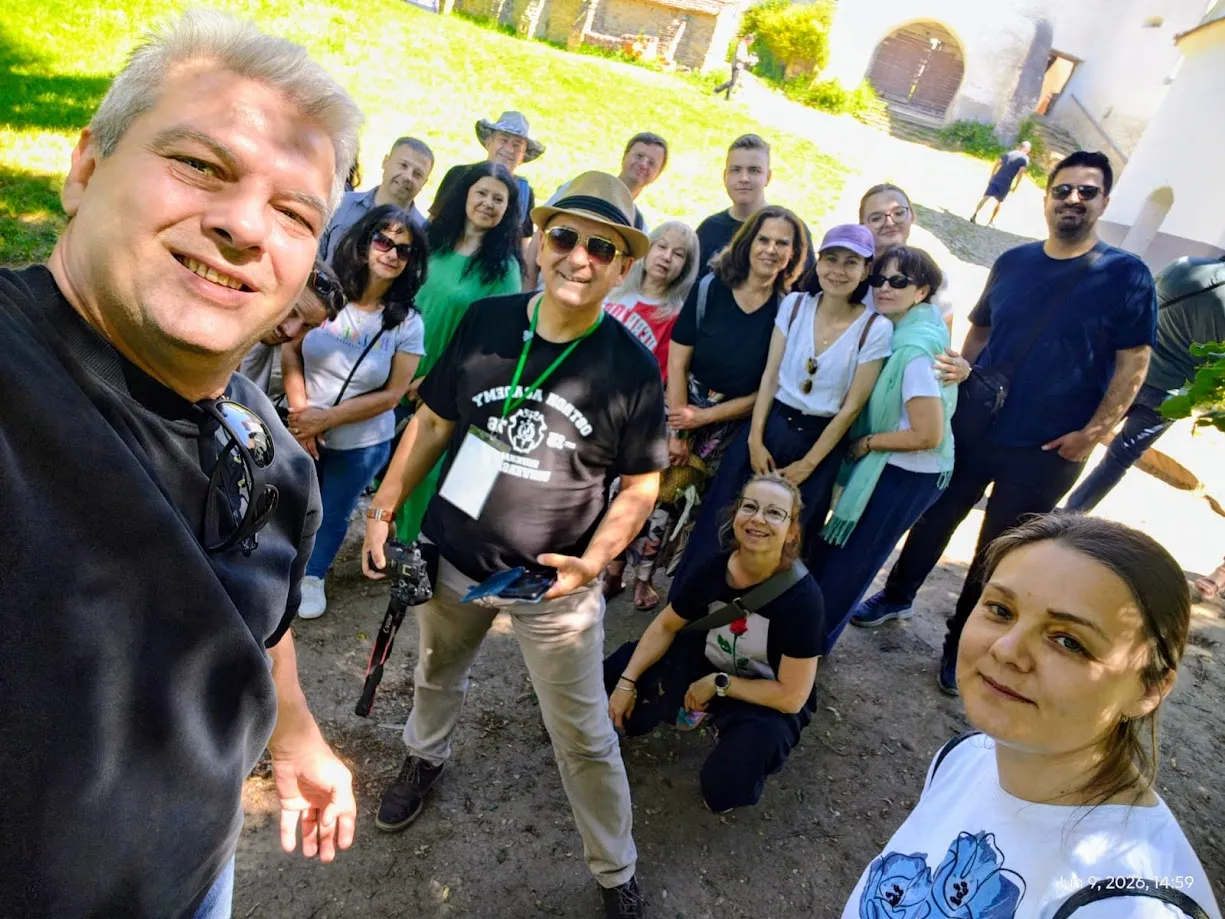
Representatives of Trnava University participated in the Erasmus+ Blended Intensive Programme (BIP) Historical Cities and Sustainable Communities, an international educational event organized by the partner Valahia University of Târgoviște. Trnava University was represented in the programme by Assoc. Prof. Lucia Nováková from the Department of Classical Archaeology, PhDr. Henrieta Žažová from the Institute of History, Erasmus coordinator for international mobility Ing. Eva Matejovičová Filipová, and two students from the Faculty of Education, Beáta Gavlasová and Filip Holický. The programme focused on the preservation of cultural heritage, sustainable urban development, and international academic cooperation.
When I decided to participate in the Erasmus+ Blended Intensive Programme (BIP) titled Historical Cities and Sustainable Communities, I was aware that I was entering a field outside my professional domain. I am not a historian, an architect, or an expert in cultural heritage. I am an economist and an Erasmus coordinator. That is precisely why I chose to take part in this programme—out of curiosity and a desire to learn more about how historical heritage is preserved and what role it plays in contemporary society. I also wanted to reconnect with colleagues from partner universities, whom I had recently mostly met only online.
The programme was organized by our partner university, a member of the KreativEU alliance in Târgoviște, and was intended not only for academics and students but also for university staff and anyone interested in cultural heritage preservation and sustainability principles. A truly diverse group gathered, including two colleagues from the University of South Bohemia in České Budějovice, geography educators Petra and Vojta. For them, geocaching is not just a hobby—it is a valuable tool for bringing young people closer to geography and history, which are so often interconnected on maps. At every location we visited, they enthusiastically searched for local “caches,” which provided a pleasant enrichment for the rest of us and demonstrated how exploring heritage sites can be combined with this activity.
During one week, we visited several historic towns, locations, and villages in Romania, attended expert seminars and discussions, and had the opportunity to experience the country from a perspective rarely available to ordinary tourists. Throughout the entire BIP programme, we were accompanied by Professor Silviu Miloiu from Valahia University in Târgoviște. Professor Miloiu is a renowned historian specializing in European history and international relations. He generously shared his extensive knowledge, fascinating historical connections, and lesser-known stories related to the sites we visited. Thanks to his engaging storytelling, we were able to perceive history not only through facts and dates but also through human experiences and events that shaped present-day Europe. His expertise and friendly approach were a great enrichment for all participants.
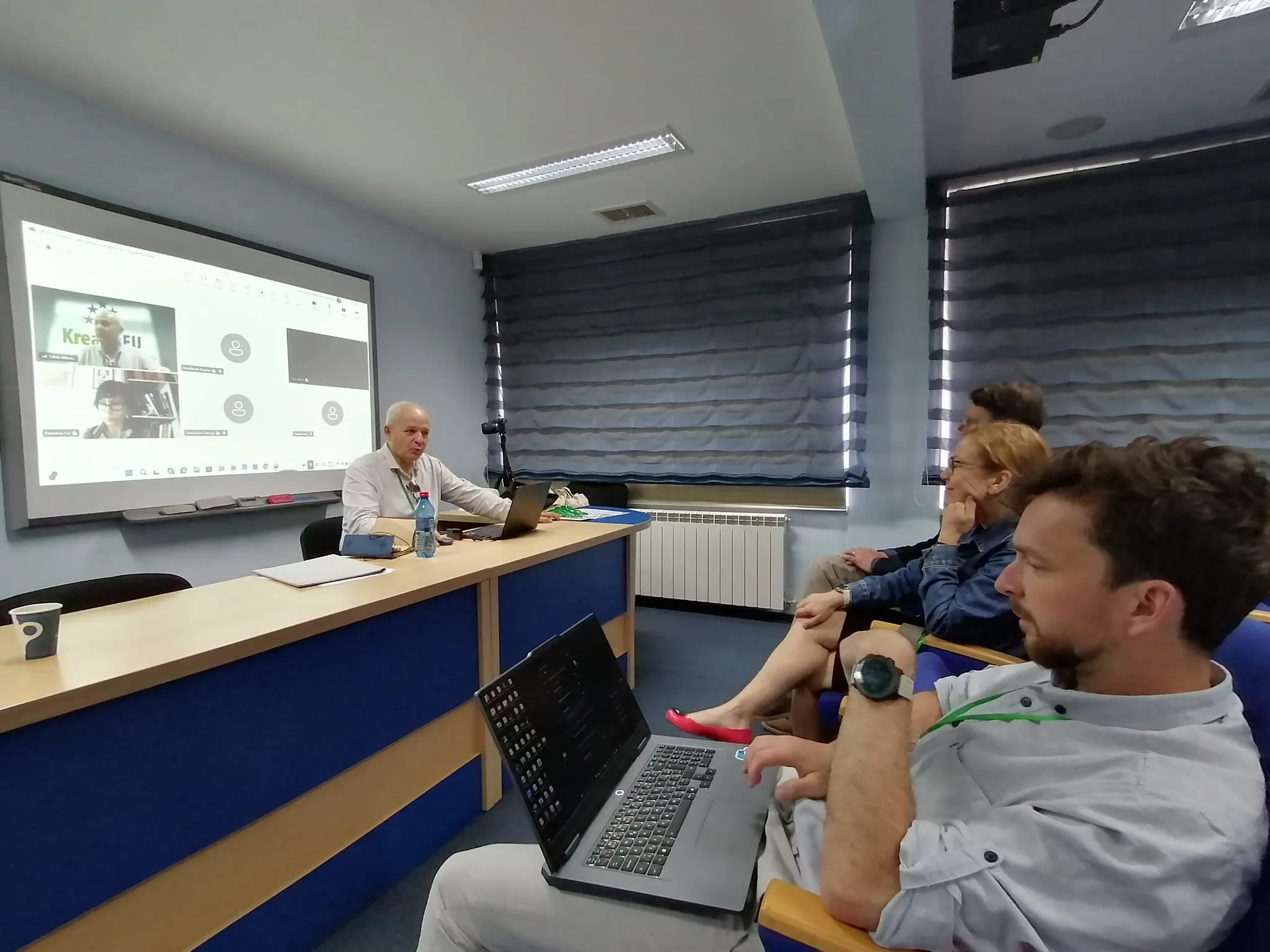
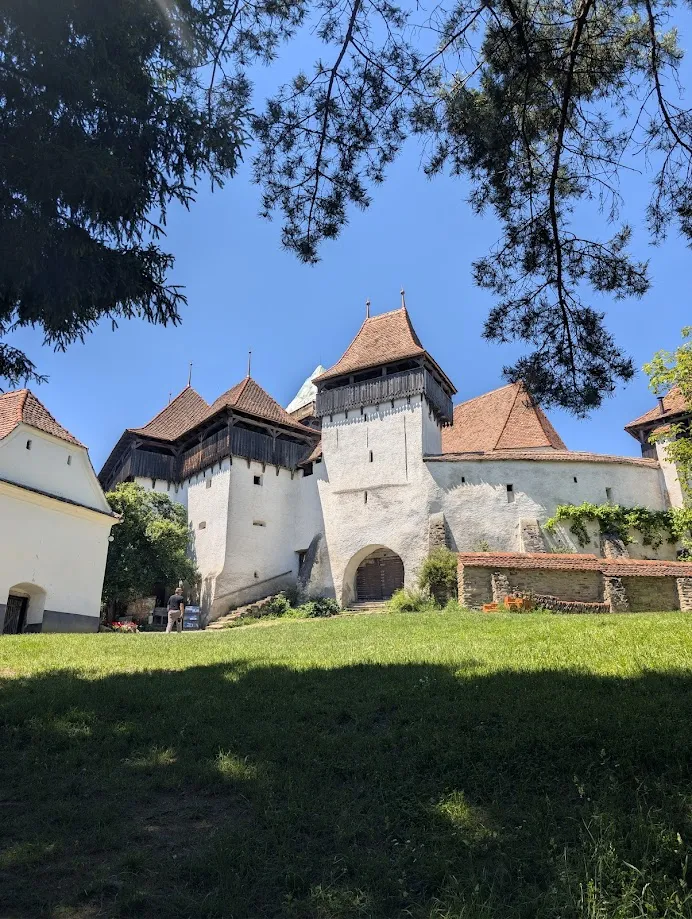
The BIP programme began on the university campus with an official reception and lectures, followed in the late afternoon by a tour of the city of Târgoviște. The next day, we set out towards Sighișoara, stopping first in the village of Viscri, which left a particularly strong impression on me. It was here that I saw sustainability not as a concept from presentations, but as something functioning in everyday life. Viscri is an example of how cultural heritage can be preserved while simultaneously creating conditions for the economic development of the local community. Traditional houses have been sensitively restored, residents engage in crafts, operate small family guesthouses and restaurants, and visitors can experience authentic life in a Transylvanian village. This approach has given the village new momentum and made it a model of how cultural heritage can support sustainable regional development.
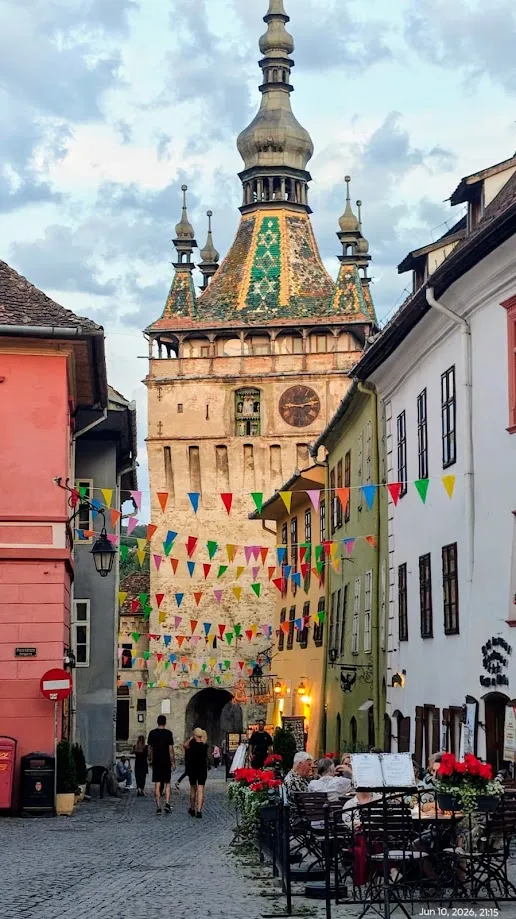
After visiting Viscri, we continued to Sighișoara, one of the most beautiful historic cities in Romania. Unlike many historic centers that now function mainly as tourist attractions, Sighișoara has retained its living character. The historic core remains a natural part of everyday life for local residents, creating a unique atmosphere.
The following morning was dedicated to roundtable discussions on historical cities and sustainable communities. We discussed the preservation of traditional crafts, cultural heritage protection, and the challenges faced by historic sites in today’s world. Each participant contributed their own perspective based on their professional background—whether in economics, history, or geography. This diversity of viewpoints was one of the programme’s greatest strengths.
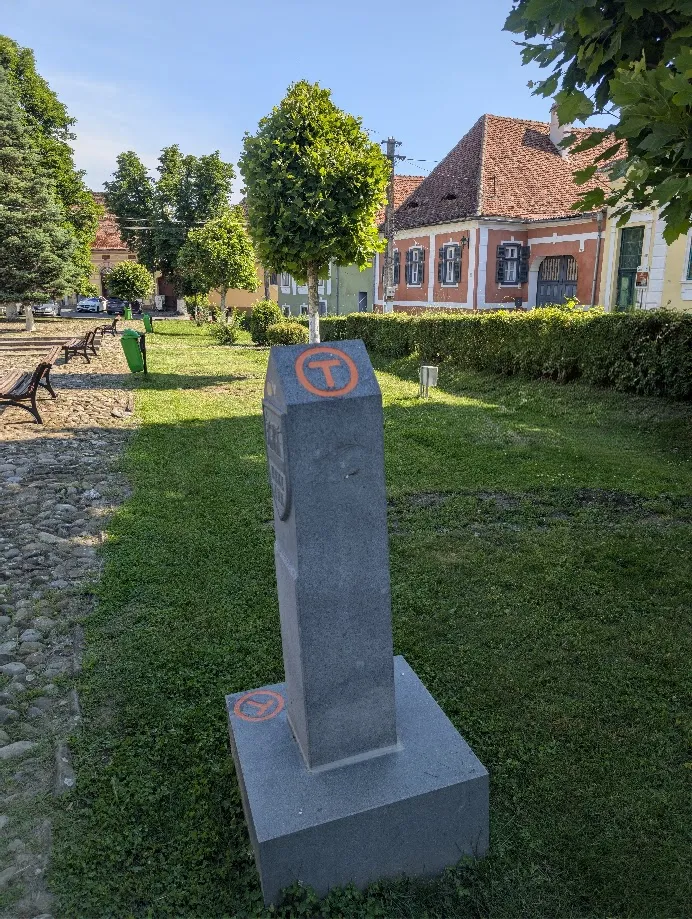
In the afternoon, we toured Sighișoara, and in the evening we watched two parts of a documentary about Via Transilvanica. This project made a deep impression on me and became one of the main topics of our informal discussions. Long after the screening, we debated how a tourist trail can support local communities, help preserve cultural heritage, and create new opportunities for regions that might otherwise face decline.
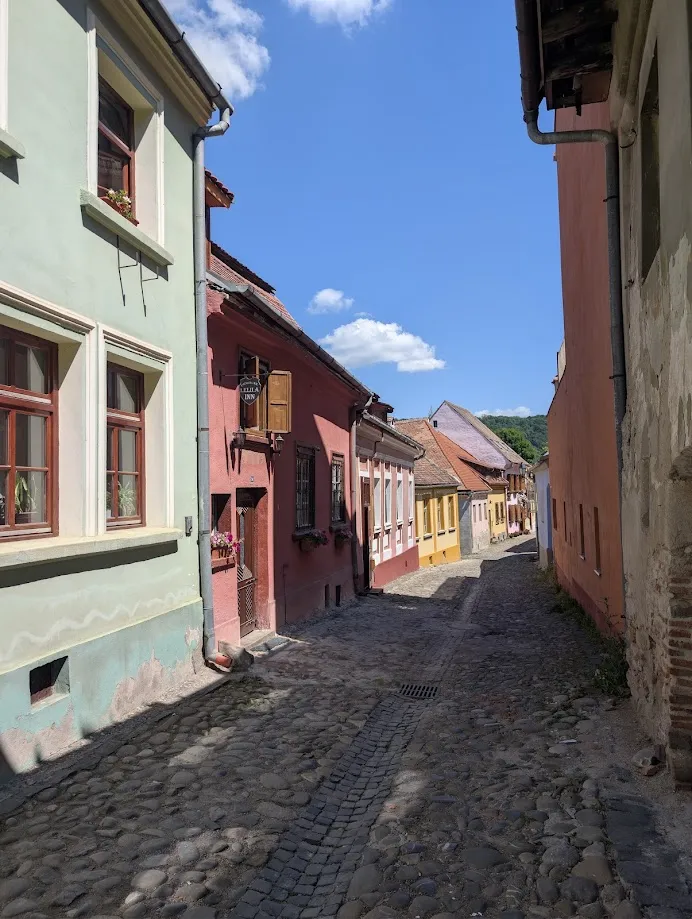
The next day took us to Biertan and Richiș, where we visited further significant monuments of the Transylvanian Saxons. This was followed by a visit to the ASTRA Museum near Sibiu, one of the largest open-air museums of folk architecture in Europe. Walking among traditional houses, farm buildings, and technical structures allowed us to better understand the way of life of past generations and the importance of preserving traditional skills. In the afternoon, we continued to the historic center of Sibiu, a city that successfully combines heritage preservation with modern urban life.
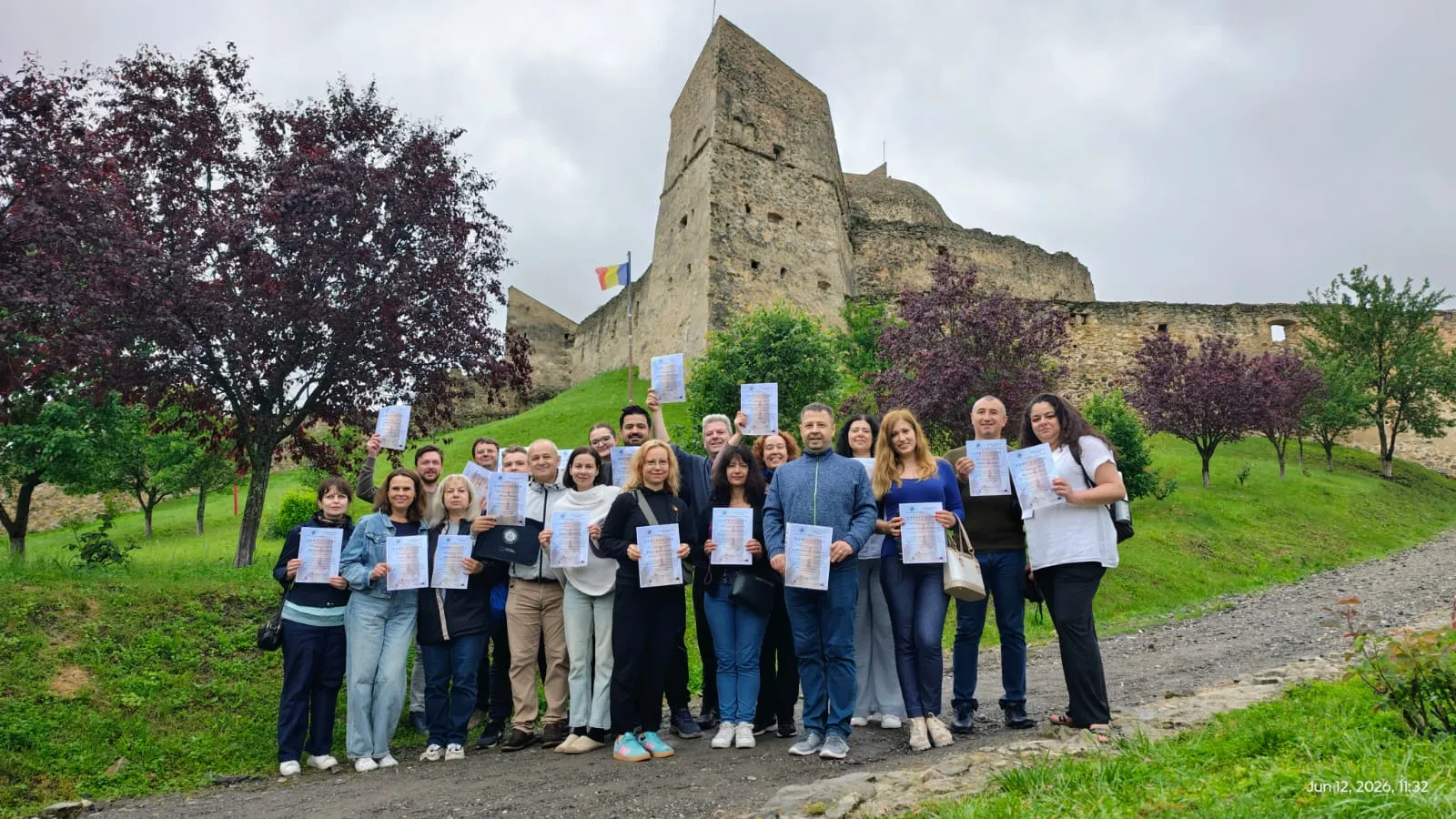
The final day of the programme was also the day of our return towards Bucharest. Many participants were scheduled to fly home in the evening, but before that we stopped at Rupea Fortress. This extensive medieval fortress has undergone major reconstruction in recent years and is now considered a successful example of heritage restoration. It served as a symbolic conclusion to a programme that, over several days, presented many forms of cultural heritage preservation and its importance for contemporary communities.
Already on the last day, as we traveled across Transylvania towards Bucharest, I realized that the greatest benefit of the entire BIP for me did not lie in historical facts or the number of monuments visited. What resonated more strongly was the question of what sustainability truly means in everyday life and how it can be translated from theory into reality—one of the programme’s key objectives.
Throughout the week, we engaged in many discussions about cultural heritage protection, the preservation of traditional crafts, support for local communities, and how historic towns and villages can remain living spaces for future generations. Each of us approached the topic from our own professional or personal perspective, which made the discussions exceptionally inspiring.
As an economist, I was particularly interested in how cultural heritage preservation can be linked to the everyday lives of local communities. I gradually realized that sustainability is not only about environmental measures or ecological transport. It is primarily about creating conditions in which people want to remain in their communities, where traditional skills, crafts, and local traditions are preserved, and where cultural heritage is not just a memory of the past but a natural part of present-day life.
The Via Transilvanica project, in particular, showed me how this idea can work in practice. It is not just a tourist route—it is a way of bringing visitors to places that many would otherwise overlook, supporting local entrepreneurs, accommodation providers, and artisans, while preserving the character of the landscape. Watching the documentary about Via Transilvanica, I realized that sustainability does not have to remain a theoretical concept; it can take concrete form and produce real results.
At the same time, I became aware of how fragile many of these successes are. Preserving cultural heritage, nature, or traditional ways of life requires long-term effort from everyone. Sometimes, a single decision, strong economic interest, or short-term profit can threaten what has been built over decades.
When I first read the title of the programme, I expected mainly academic insights into historical cities and sustainable communities. I leave with something more—with the conviction that cultural heritage has meaning only if it remains part of people’s lives. And also with a desire to return to Romania one day as an ordinary visitor, to walk at least a part of the Via Transilvanica (and perhaps search for a hidden geocache along the way with friends), and to once again revisit a country that left a far stronger impression on me than I had originally expected.
-responsive.webp)